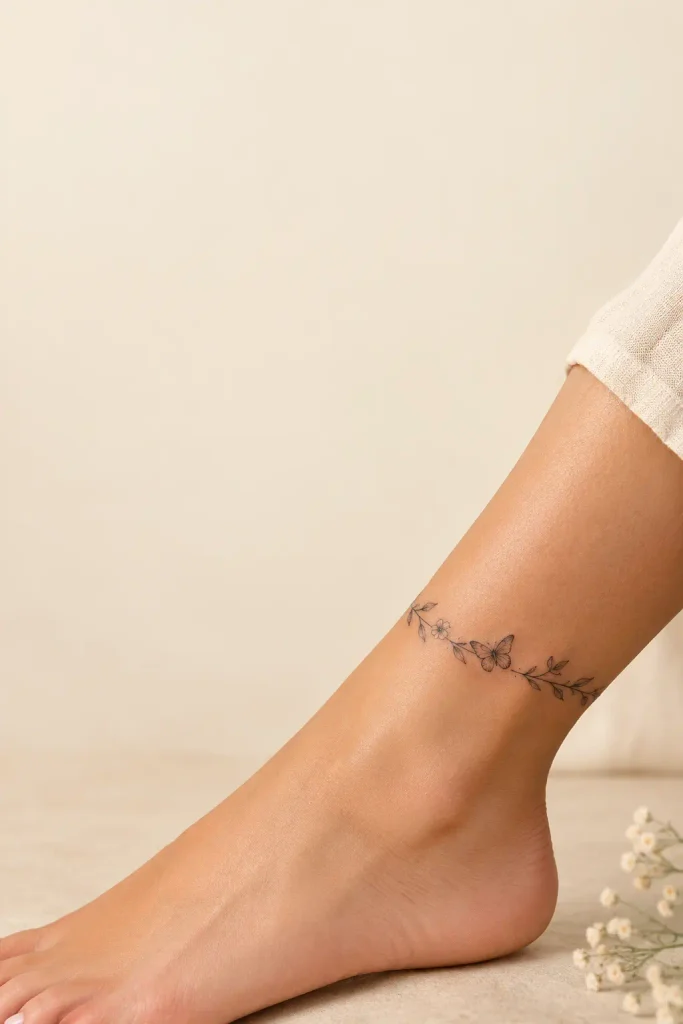
Ankle Bracelet Tattoo: Pain, Cost, Healing and Aftercare Explained
Before you fall in love with a design, it helps…
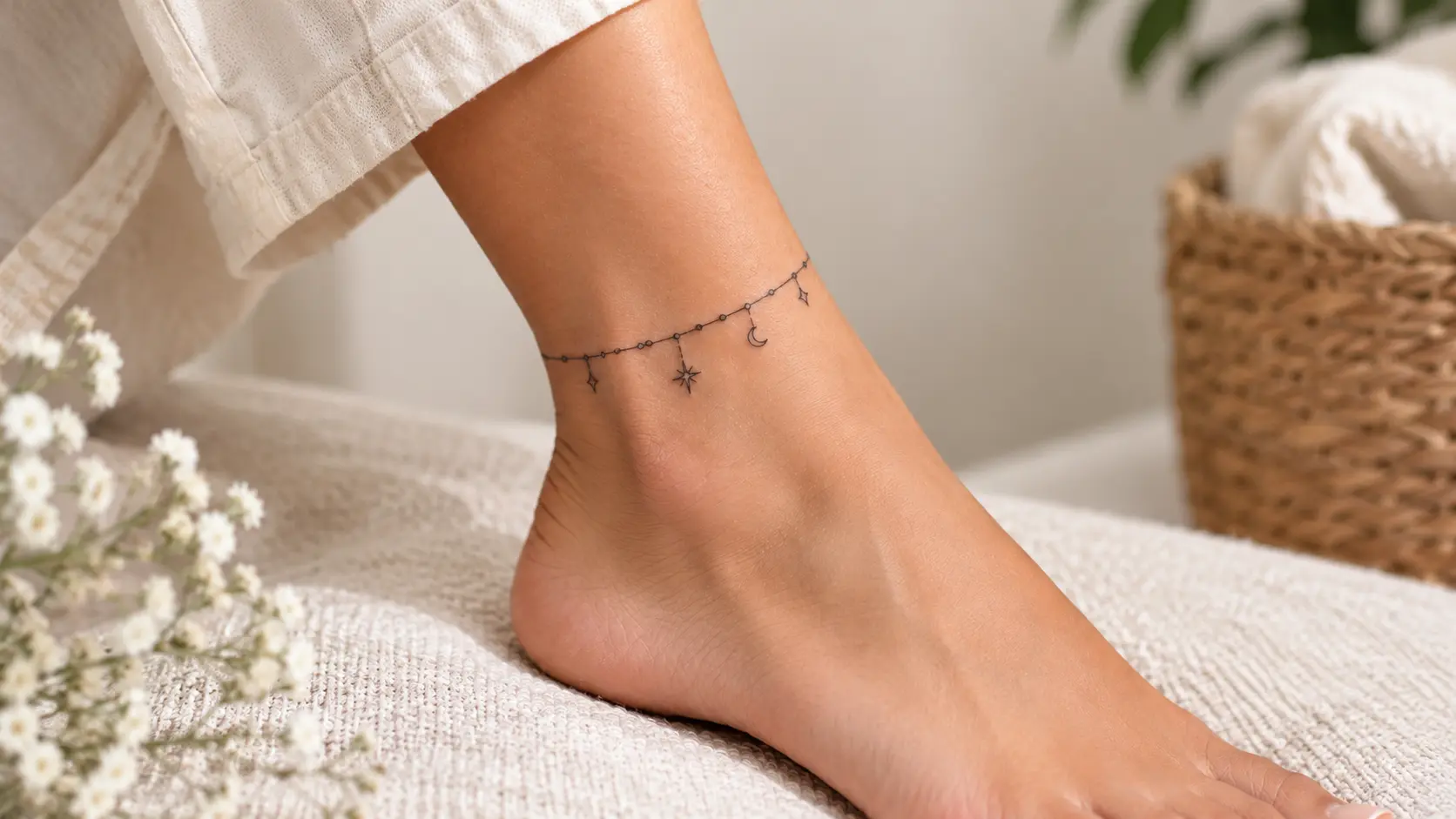
Before you fall in love with a design, it helps to know what the whole experience actually looks like. Not just the pretty photo at the end, but the buzzing needle, the bill, and the two or three weeks afterward when you’re trying not to wear your favorite boots.
This guide covers the questions people ask most about ankle bracelet tattoos: pain, price, healing time and aftercare. I’ve tried to keep it practical and honest, with no sugarcoating.
Still choosing your design? Explore our guide to ankle bracelet tattoo ideas for women for inspiration before booking your appointment.
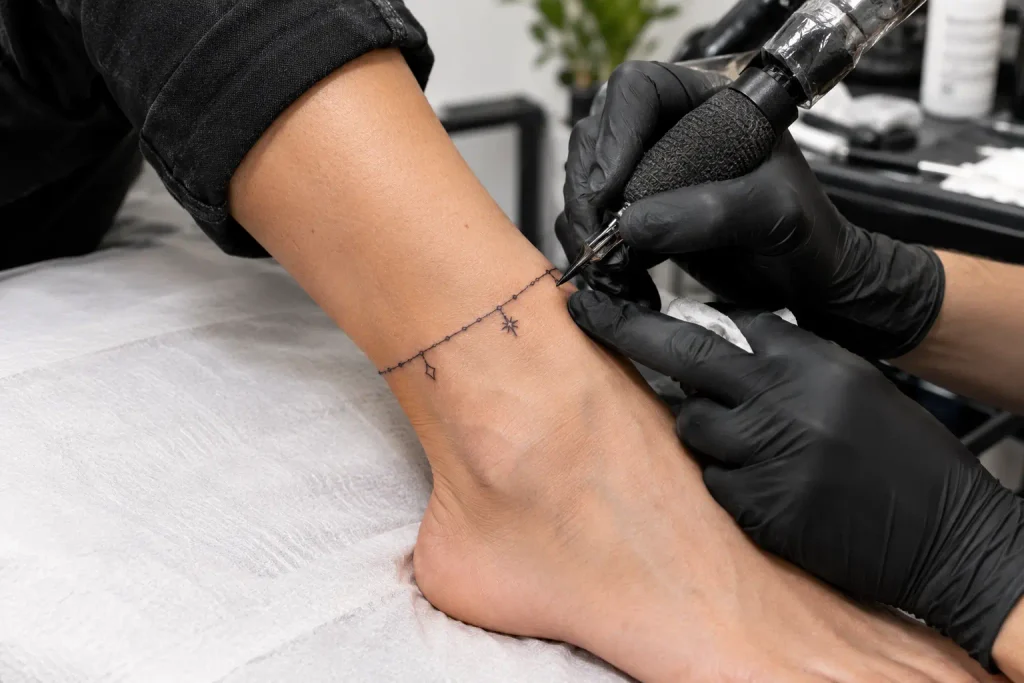
How much does an ankle bracelet tattoo hurt?
Most people rate ankle tattoos somewhere in the middle to the higher side of the pain scale. The reason is anatomy. There’s very little padding over the ankle bones, so the vibration of the needle travels through the bone instead of being absorbed by muscle.
What it usually feels like:
- Front and back of the ankle: a scratchy, sharp sensation that most people tolerate well.
- Over the bone: more of a buzzing, rattling feeling that can be uncomfortable.
- Inner ankle: often described as more sensitive than the outer side.
Everyone is different. Sleep, stress, hydration and even the time of day can change how you feel. A single thin chain is usually over quickly, which is why many first-timers choose it.
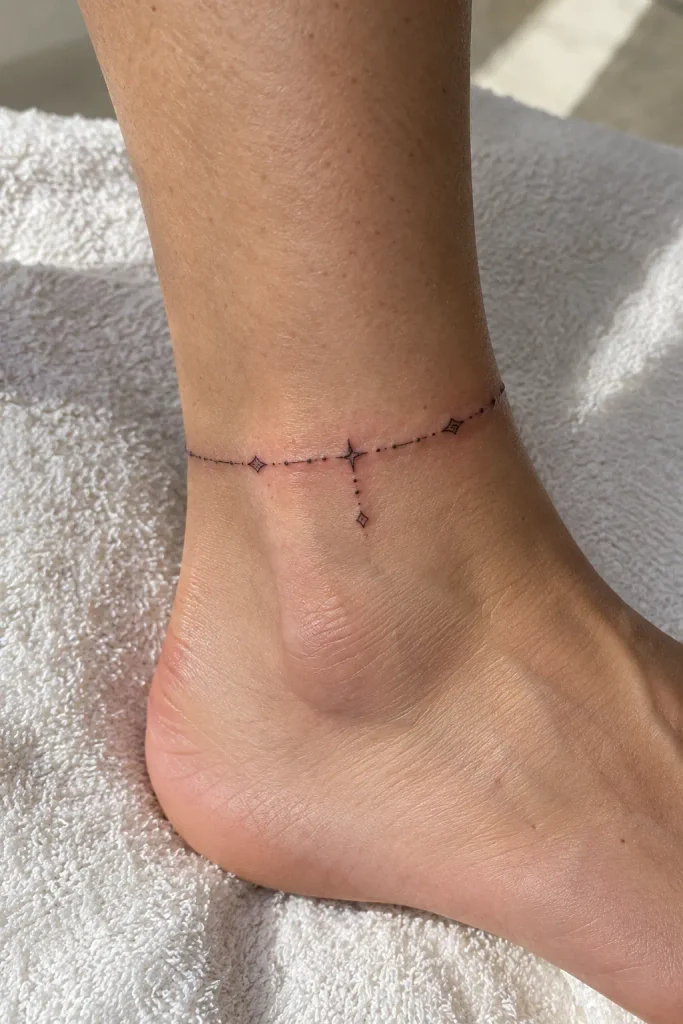
How to make it hurt less
You can’t remove the pain, but you can make it easier.
- Eat a proper meal an hour or two before.
- Drink water and avoid alcohol the day before and on the day.
- Get a full night’s sleep.
- Wear something loose so the artist can reach your ankle comfortably.
- Breathe slowly and tell the artist when you need a break.
- Avoid numbing creams unless your artist is happy with them. Some can change how the skin takes the ink.
How much does an ankle bracelet tattoo cost?
Pricing depends on where you live and who’s tattooing you. Instead of quoting numbers that might be wrong for your city, here’s what usually moves the price:
- Size and detail: a single thin line costs less than beads, charms and shading.
- Artist experience: a well-known artist charges more, and good fine-line work is a skill.
- Studio minimum: many studios charge a flat minimum for any piece, however small.
- Time: some artists charge by the hour, others by the design.
- Touch-ups: ask whether the first touch-up is included.
The best way to get a real price is to message two or three artists with your reference photos, placement and size. Compare their work as well as their quotes.
Healing timeline
Here’s a general idea of what to expect. Your artist’s instructions always win over this.
- Days 1 to 3: the area is tender, slightly red and may weep a little clear fluid.
- Days 4 to 7: it starts to feel tight and itchy. This is normal. Resist scratching.
- Weeks 2 to 3: light flaking, like a mild sunburn peeling. The tattoo may look cloudy.
- Weeks 4 to 6: the surface looks healed, though the skin below keeps settling for longer.
Ankles can take a bit longer than other areas because they swell, bend and rub against shoes all day.
Aftercare checklist
- Leave the first wrap on for as long as your artist says.
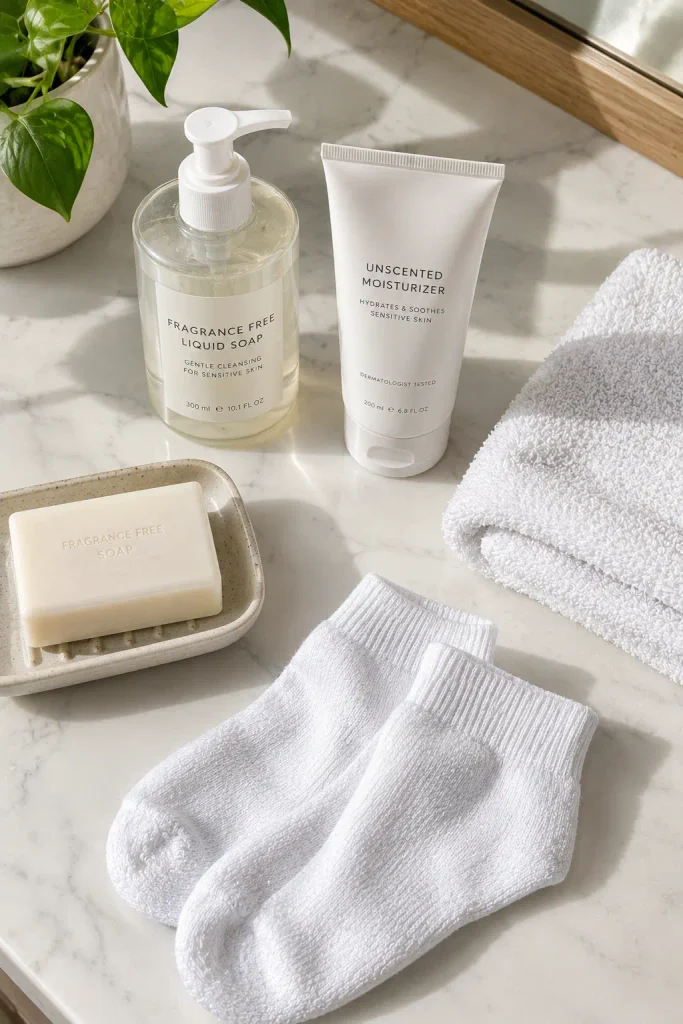
- Wash gently with lukewarm water and a mild, fragrance-free soap.
- Pat dry with a clean towel or paper towel. Don’t rub.
- Apply a very thin layer of the aftercare product your artist recommends.
- Wear loose socks and shoes that don’t press on the tattoo.
- Keep it out of pools, the sea and hot baths until fully healed.
- Stay out of direct sun, then use sunscreen once healed.
- Keep your feet elevated when you can if they swell.
For safe tattoo aftercare, follow your tattoo artist’s instructions and review the American Academy of Dermatology’s tattoo care recommendations.
Signs something isn’t right
Some redness and tenderness is normal. Call your artist or a doctor if you notice:
- Redness that spreads outward or gets worse after the first few days
- Heat, swelling that doesn’t improve, or pus
- Fever or feeling unwell
- Severe pain that increases instead of fading
Common aftercare mistakes
Over-moisturizing. A thick layer traps moisture and can slow healing. Thin is better.
Picking the scabs. It can pull ink out and leave patches.
Rushing back to the gym or the beach. Sweat, friction and salt water are not friendly to a healing ankle.
Skipping sunscreen later. Even after it heals, the sun fades fine lines quickly.
Final thoughts
An ankle bracelet tattoo is a small piece, but healing it well takes some patience. Plan the appointment for a time when you can wear comfortable shoes for a couple of weeks, follow your artist’s instructions and keep an eye on how it looks. A little care in the first month makes a big difference to how it looks in ten years.